

Tapster Franchise Opportunity
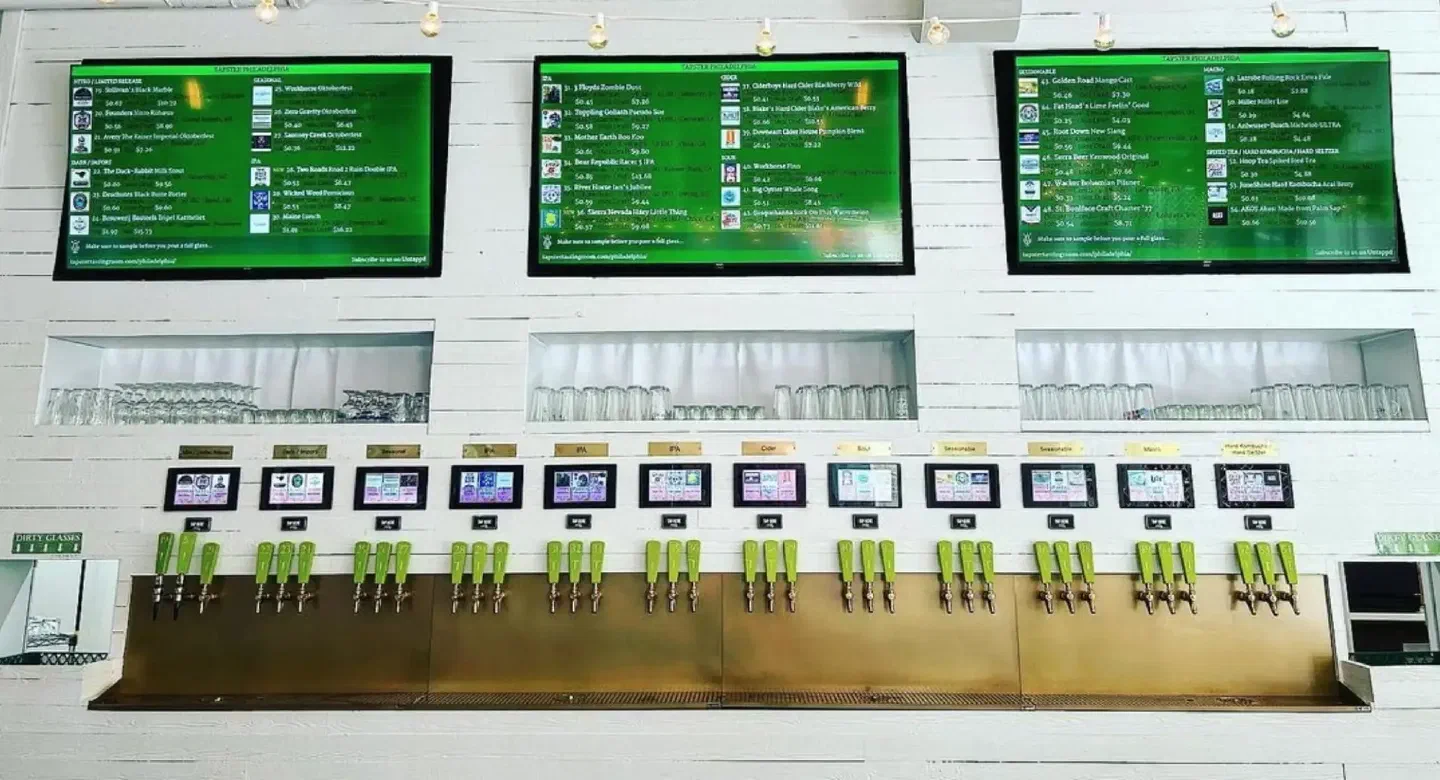
Tapster operates self-pour taprooms that give guests a rotating selection of craft beverages and a modern, interactive way to explore them. The concept is built around a pay-by-the-ounce model, which lets customers sample broadly, control their pace, and personalize every visit. For prospective franchise owners, Tapster represents a specialty hospitality business that blends craft culture, experiential retail, and technology-enabled self-service.
This article covers what Tapster is, how the franchise opportunity works at a high level, why the self-pour taproom category continues to attract consumer interest, and what kinds of operators may be a strong fit for the brand.
What Tapster is
Tapster is a taproom concept centered on customer-controlled pouring. Instead of ordering a full drink at a counter and committing to a single choice, guests can access a curated selection of beverages and pour as little or as much as they want, then pay based on the amount poured. The lineup typically emphasizes craft beer, and may also include other craft beverages depending on local preferences and the specific menu approach.
The experience is designed to be:
- Exploratory: Guests can sample multiple options in one visit.
- Social: Groups can compare pours, share recommendations, and engage with the selection.
- Convenient: Self-service reduces the friction of ordering, especially during peak hours.
- Controlled: The pay-by-the-ounce structure supports moderation and customization.
In a market where consumers increasingly value experiences and personalization, Tapster positions the taproom as both a destination and a repeatable neighborhood hangout.
The self-pour taproom category and why it matters
Tapster competes in the broader craft beverage and experiential hospitality space, with overlap across:
- Craft beer and craft beverages
- Taprooms and tasting rooms
- Casual social venues
- Entertainment-adjacent food and beverage concepts
Self-pour taprooms have gained traction because they address several common customer behaviors:
- People want variety without waste
Many guests prefer tasting flights, half pours, or small samples. Self-pour makes this a built-in feature of the venue rather than a special request. - Customers like autonomy
Self-serve models put the guest in control, which can increase engagement and time on site. - Experiences drive repeat visits
Rotating beverage selections give customers a reason to return. New taps create novelty while the core venue remains familiar. - Social occasions favor flexible pacing
A self-pour format allows each person to move at their own pace without waiting for a server, which fits group settings.
For franchise ownership, these category dynamics can be attractive because they emphasize brand experience, community presence, and repeat customer behavior rather than one-time transactions.
How the Tapster customer experience typically works
While specific operational details can vary by location, the customer journey generally follows a consistent pattern:
- Guests enter and get oriented to the self-pour system
- They browse available taps and view details for each option
- They pour their desired amount
- They pay based on ounces poured
This format supports multiple types of visits:
- A quick stop for one pour
- A longer social gathering
- A tasting-focused exploration of new beverages
- Events and group outings that benefit from fast, flexible service
Because the core interaction is designed to be intuitive, it can reduce ordering bottlenecks that traditional bar service sometimes faces during busy periods.
What the Tapster franchise opportunity offers
Tapster franchises a branded concept that combines a defined taproom model with the systems needed to operate it consistently. In general terms, franchise opportunities in this category typically focus on helping an owner replicate a proven guest experience while maintaining quality standards and brand consistency.
A prospective Tapster franchise owner is generally pursuing:
- A recognizable self-pour taproom concept
- A repeatable operating model for beverage selection and service flow
- Brand standards for guest experience and venue identity
- Support in training, opening, and ongoing operations
Tapster sits at the intersection of craft beverage curation and technology-enabled service, which appeals to consumers looking for something beyond a standard bar environment.
Key benefits of owning a Tapster franchise
1. Differentiation in a crowded hospitality landscape
Many markets have bars and taprooms. Fewer have an interactive self-pour experience that lets guests sample broadly and personalize every visit. Tapster's model stands out by design, which can help a location become a go-to destination.
2. Built-in reason for customers to return
A rotating selection of craft beverages creates continuous novelty. When the menu changes regularly, frequent customers have an incentive to come back and discover what is new.
3. Experience-driven concept with broad appeal
Tapster can appeal to:
- Craft beverage enthusiasts who enjoy exploring new styles
- Casual guests who want a low-pressure way to sample
- Groups looking for a social venue with built-in entertainment value
- Locals seeking a comfortable, repeatable hangout
The pay-by-the-ounce format can also reduce the hesitation some guests feel when they are unsure about committing to a full pour.
4. Streamlined service flow for busy times
Self-pour service can help reduce line buildup compared with a traditional bar-only model. Guests can move through the experience without waiting for each individual order, which can support a smoother peak-hour environment.
5. Community building potential
Taprooms often succeed when they become part of local routines. The format supports community-oriented programming, such as themed tastings and social gatherings, while still keeping the core guest experience simple.
Benefits of owning a franchise in the self-pour taproom and craft beverage space
Tapster is part of a wider category that has several structural advantages for franchise-minded entrepreneurs.
Brand plus systems
In hospitality, small details matter. A franchise model can provide:
- Brand identity and venue standards
- Operating procedures for consistent guest experience
- Training that reduces guesswork for new operators
- Centralized knowledge from multiple locations over time
Consumer demand for craft and local discovery
Craft beverage culture continues to reward concepts that focus on variety, quality, and new experiences. Customers often enjoy learning and sharing recommendations, which can create strong word-of-mouth momentum for an engaging venue.
Social venues can become habitual
Unlike a one-time experience business, a successful taproom can become part of customers' weekly or monthly routines. Concepts that fit casual social occasions can benefit from repeat visits and community loyalty.
Experiential concepts support multiple visit purposes
A well-run taproom can serve different needs depending on the day:
- After-work meetups
- Weekend socializing
- Celebrations
- Low-key date nights
- Tasting-focused visits for enthusiasts
This flexibility helps a venue stay relevant across seasons and customer segments.
What makes Tapster distinct
Tapster's signature feature is the self-pour model paired with a curated craft selection. The brand is positioned around giving customers control, variety, and a modern tasting room atmosphere.
Distinctive elements include:
- Pay-by-the-ounce flexibility that encourages sampling and personalization
- Rotating tap selection that creates ongoing discovery
- Technology-enabled self-service that supports fast, interactive engagement
- A taproom environment designed to be both casual and experience-forward
In practical terms, this positioning allows Tapster to compete not only with bars and breweries, but also with other social entertainment options that customers choose for group time.
Day-to-day ownership: what an operator may focus on
Tapster franchise ownership is likely to appeal to people who enjoy hospitality, community building, and local marketing. Although each location will have its own rhythm, an owner in this category often focuses on:
- Maintaining a strong, balanced tap lineup that matches local tastes
- Creating a clean, welcoming environment and smooth guest flow
- Training staff to support the self-pour experience and customer education
- Building relationships with local communities and event organizers
- Managing service standards, scheduling, and operational consistency
Because the concept is experience-driven, attention to detail around atmosphere, customer onboarding, and beverage quality can be especially important.
Marketing angles that tend to work for a Tapster-style concept
A self-pour taproom offers several natural marketing hooks that can translate well into local visibility and ongoing engagement.
Common angles include:
- Try before you commit: Sampling is part of the model.
- New taps, new reasons to visit: Rotating selection creates recurring announcements.
- Group-friendly experience: Ideal for meetups and celebrations.
- Craft discovery: Appeals to enthusiasts and casual explorers alike.
- Interactive and modern: Positions the venue as an experience, not just a drink.
When combined with consistent local presence and community involvement, these angles can help a location stay top of mind.
Who the Tapster franchise may be best suited for
Tapster can be a compelling fit for franchise candidates who:
- Enjoy hospitality and creating welcoming environments
- Like the craft beverage space and the culture around it
- Prefer an experience-based concept with repeat customer potential
- Want a model that blends product curation with a streamlined service format
- Are comfortable leading a team and managing day-to-day operations
It can also appeal to multi-unit operators who see value in replicable service systems and a concept that is designed to stand out in local markets.
Why this concept can resonate with today's customers
Tapster's model aligns with several consumer trends:
- Personalization: Guests choose what and how much to pour.
- Discovery: Rotating selections support exploration and conversation.
- Experience-first outings: Many customers choose venues that feel like an activity.
- Convenience and speed: Self-service reduces waiting and friction.
- Social connection: The taproom format encourages shared experiences.
A franchise concept that naturally fits these trends can have advantages when competing for attention in a busy hospitality environment.
Final takeaways
Tapster offers a self-pour taproom concept built around rotating craft beverage selections and a pay-by-the-ounce guest experience. For franchise-minded entrepreneurs, the appeal is in operating a differentiated social venue that emphasizes discovery, flexibility, and repeat visits. The self-pour format provides an interactive experience that can help a location stand out, while the taproom setting supports community building and strong local relevance.
For candidates evaluating franchise opportunities in the craft beverage and experiential hospitality category, Tapster is positioned as a modern, experience-driven concept designed for customers who want control, variety, and a place they can return to often.
Financial Requirements
- Cash Investment (Liquid): $150,000
- Minimum Net Worth: $500,000
Take the next step towards owning a Tapster franchise
To learn more about Tapster franchise opportunities in your area or to begin securing your territory today, please request more information below.