

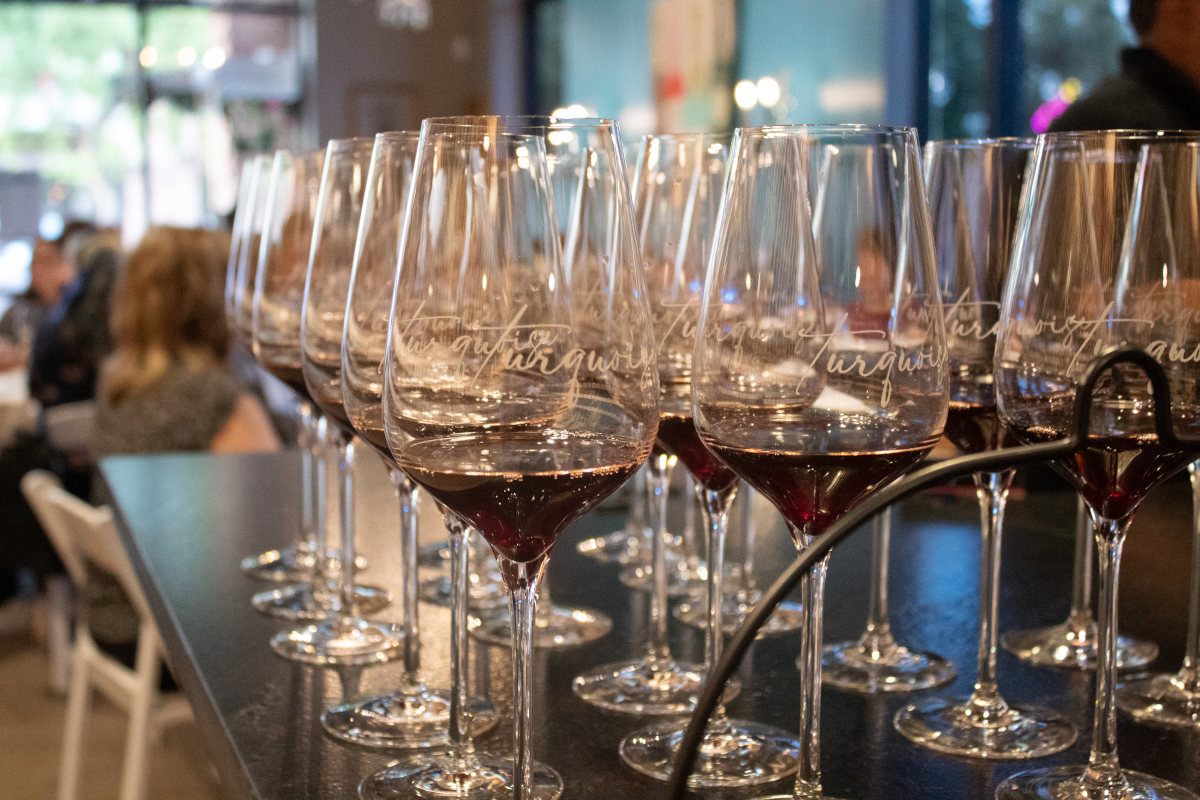
Turquoise Wine Bar Franchise Opportunity
Turquoise Wine Bar is a specialized wine bar concept focused on a curated selection of wines paired with complementary food offerings in an elevated, welcoming setting. For aspiring franchise owners who want to build a business around hospitality, community, and a premium yet approachable guest experience, this franchise opportunity sits at the intersection of food service, beverage culture, and experiential retail.
Wine bars occupy a distinctive niche within the broader restaurant industry. Guests visit for discovery, connection, and ambiance as much as for the menu itself. That dynamic can create a strong foundation for repeat visits, word-of-mouth marketing, and event-driven traffic. Turquoise Wine Bar positions itself within that niche by emphasizing selection, pairing, and a specialized environment designed for wine enjoyment.
The franchise model in context
A franchise is a business system that allows an owner-operator or investor to open a location under an established brand and proven operating approach. While every franchise system is different, the typical advantages come from starting with clearer operating expectations than an independent startup.
Common elements of franchising include:
- Brand recognition that can shorten the path to market awareness
- Standardized operating playbooks for training, service, and execution
- Site selection and build guidance to support a consistent guest experience
- Marketing frameworks to help local stores launch and maintain visibility
- Supply chain and vendor direction to support quality and consistency
- Ongoing support that helps owners refine operations over time
In hospitality, franchising can be especially valuable because service businesses depend on repeatable execution. A franchise system typically reduces trial and error by providing tested processes for staffing, training, inventory control, guest service standards, and promotional planning. The goal is not just to open successfully, but to operate consistently day after day.
What makes a wine bar franchise different
Wine bars have several characteristics that distinguish them from traditional quick-service or full-service restaurant concepts. Success often relies on balancing product expertise with approachability. Guests may include casual wine drinkers, enthusiasts, couples, groups of friends, and business professionals looking for a comfortable, refined setting.
A well-designed wine bar concept usually depends on:
- A curated wine selection that is intentional rather than overwhelming
- Food pairings that complement wine and encourage longer visits
- Ambiance and layout that support conversation and relaxed socializing
- Staff knowledge that helps guide guests without intimidation
- Events and tastings that create reasons to return
Turquoise Wine Bar's positioning, centered on curated wines and complementary food offerings in a specialized bar environment, aligns well with these category strengths. That combination can help differentiate the experience from bars that treat wine as an afterthought or restaurants that treat wine as simply a menu section.
Overview of the Turquoise Wine Bar franchise opportunity
Turquoise Wine Bar offers franchisees the opportunity to operate a destination-oriented wine bar built on selection, pairing, and hospitality. The concept is designed to attract guests who want a refined experience without the stiffness that sometimes accompanies wine culture. In practice, that means an environment where guests can explore wines, enjoy shareable bites or pairing-friendly fare, and feel comfortable returning regularly.
This opportunity may appeal to franchise candidates who want:
- A brand rooted in experience and community
- A concept that can support social occasions and gatherings
- A hospitality model that encourages repeat visitation
- A business built around curation and taste rather than pure volume
While specific operational details are franchise system dependent, a wine bar franchise typically includes structured guidance around the guest journey. That journey often begins with discovery, continues with thoughtful recommendations, and ends with guests feeling like they found a place they want to revisit.
Who this franchise can be a fit for
Turquoise Wine Bar can be a strong match for candidates who enjoy hospitality and want to create a welcoming local destination. Many successful hospitality franchisees share common traits:
- People-first leadership with a focus on service and team culture
- Operational discipline such as scheduling, inventory, and quality control
- Comfort with local marketing and community engagement
- Interest in learning product knowledge or hiring and developing staff who have it
Candidates do not necessarily need to be sommeliers to run a wine bar, but they should respect the importance of product knowledge and presentation. Guests often rely on staff recommendations, so training and culture matter. Owners who build a team that can make wine approachable often unlock stronger loyalty and higher guest satisfaction.
Benefits of owning a Turquoise Wine Bar franchise
1. A concept built around curation and experience
Many hospitality businesses compete primarily on price or speed. A wine bar competes on experience, and Turquoise Wine Bar emphasizes a curated selection and complementary food offerings. That approach can help create a sense of discovery, giving guests a reason to choose the venue for dates, celebrations, casual meetups, and after-work socializing.
2. Repeat business potential through community positioning
Wine bars can become neighborhood staples when they feel personal, consistent, and inviting. When guests find a place that suits their taste and mood, they tend to return and bring others. A specialized bar environment can also support recurring reasons to visit, such as tastings, themed nights, and seasonal menu features.
3. A hospitality brand that can benefit from local storytelling
Wine and food naturally lend themselves to content and community marketing. Local store marketing can highlight new arrivals, pairing ideas, staff favorites, seasonal selections, and event recaps. This type of storytelling tends to perform well because it is visual, timely, and shareable.
4. A business that can attract multiple guest occasions
A strong wine bar can serve varied use cases:
- A relaxed evening out
- A pre-dinner stop
- A small group gathering
- A celebration venue
- A casual date night destination
- A place for after-work conversation
When a venue suits multiple occasions, it can smooth demand across the week and broaden the addressable audience in the trade area.
5. System support typical of franchising
Franchise owners typically benefit from guidance that independent operators have to build from scratch. That can include operational systems, brand standards, training direction, marketing support, and vendor guidance. In a category where consistency and service matter, having an established playbook can reduce operational risk and improve the guest experience.
Benefits of owning a franchise in the wine bar and beverage-led hospitality category
A category driven by discovery and education
Wine culture encourages exploration. Guests enjoy trying something new, learning about varietals, regions, and pairings, and sharing recommendations with friends. That naturally supports:
- Seasonal features
- Rotating selections
- New tasting experiences
- Staff-guided recommendations
A concept that embraces curation can turn product changes into marketing moments, keeping the brand fresh while remaining consistent in its identity.
Experiential dining remains a strong consumer preference
Many guests are increasingly selective about where they spend their time and money. They want venues that feel worth the outing. Wine bars often deliver on ambiance, social connection, and a sense of occasion. That experiential value can strengthen loyalty and reduce reliance on discount-driven traffic.
Event friendliness can deepen local roots
Wine bars often work well for small events, tastings, pairing dinners, and social gatherings. Even when events are modest, they can generate incremental visits and strengthen relationships with the community. For franchise owners, events can provide a structured way to create recurring demand and brand visibility.
Premium positioning without exclusivity
A well-run wine bar can present premium products in an approachable way. That balance is important. Guests want to feel welcomed regardless of their wine knowledge. Brands that make wine accessible often widen their audience while still delivering a curated experience.
How Turquoise Wine Bar can stand out in a crowded hospitality market
In many markets, consumers have abundant choices: breweries, cocktail lounges, sports bars, casual restaurants, and entertainment venues. A specialized wine bar must clearly communicate why it exists and what it does differently. Turquoise Wine Bar's emphasis on curated wines and complementary food offerings provides a clear positioning anchor.
Differentiation tends to come from a combination of:
- Selection discipline with a curated list that tells a story
- Pairing-focused food that enhances the wine experience
- Service standards that are welcoming and knowledgeable
- Atmosphere that supports conversation and comfort
- Consistency so guests know what to expect on each visit
A franchise system can help make that differentiation repeatable across locations, which is crucial for brand growth.
Day-to-day operations: what ownership can involve
Running a wine bar blends hospitality leadership with operational management. While responsibilities vary by ownership style and staffing plan, franchise owners often spend time on:
- Hiring and training to maintain service quality
- Inventory management for wine and food inputs
- Scheduling and labor planning to match traffic patterns
- Guest experience oversight ensuring consistency and hospitality
- Local marketing including community outreach and event promotion
- Quality control for presentation, cleanliness, and ambiance
Because the concept centers on curation, owners also commonly focus on how the selection is presented and explained to guests. Strong teams translate the curated wine list into an enjoyable experience for all types of customers.
Marketing strengths that can support a Turquoise Wine Bar location
Wine bar marketing can be highly content-friendly because there is always something new to talk about. A thoughtful local marketing plan often includes:
- Seasonal features that encourage repeat visits
- Wine flight themes that make discovery easy
- Food pairing spotlights that elevate the menu
- Staff picks that humanize the brand
- Community partnerships with local groups and nearby businesses
- Event programming that creates a steady calendar of reasons to visit
The most effective approach typically focuses on consistency rather than one-time promotions. A wine bar becomes part of a customer's routine when they repeatedly see fresh, inviting reasons to stop in.
Why franchising can be a smart route for hospitality entrepreneurs
Hospitality can reward great operators, but it also punishes inconsistency. Franchising is attractive to many entrepreneurs because it can reduce uncertainty in areas that commonly challenge independent owners.
A franchise system can provide:
- Defined brand standards that guide build-out and guest experience
- Training frameworks to onboard staff efficiently
- Operational processes designed to support consistency
- Marketing playbooks that help local stores launch with structure
- Shared learning from a network of operators
For a concept like Turquoise Wine Bar, where the guest experience depends on both product and service, standardization can be a competitive advantage.
Final thoughts on the Turquoise Wine Bar franchise opportunity
Turquoise Wine Bar offers a franchise opportunity built around a curated wine selection, complementary food offerings, and a specialized bar environment designed for guests who want an inviting, premium experience. For candidates drawn to hospitality, community building, and a concept that can become a local destination, this franchise sits in a category with strong experiential appeal.
A wine bar can be more than a place to drink. At its best, it is a gathering space where people learn, connect, and return because the experience feels personal. Turquoise Wine Bar's concept is positioned to deliver that kind of value, which is often what turns first-time visitors into regulars and regulars into advocates.
Financial Requirements
- Cash Investment (Liquid): $200,000
- Minimum Net Worth: $500,000
Take the next step towards owning a Turquoise Wine Bar franchise
To learn more about Turquoise Wine Bar franchise opportunities in your area or to begin securing your territory today, please request more information below.